Gear · buyer's guide
Best Broadforks for No-Dig Garden Beds (2026)
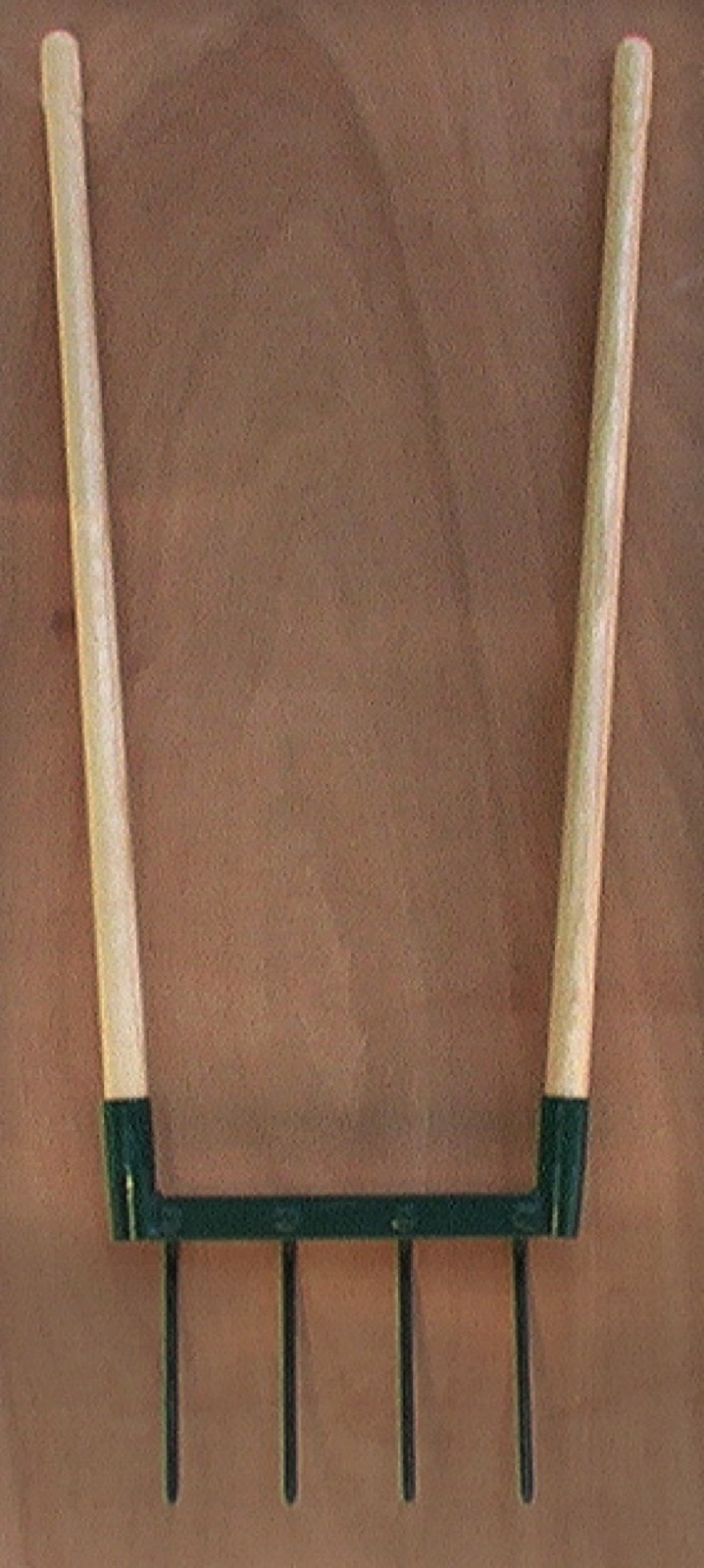
Compacted soil is why plants stall even when you feed and water them. Roots hit a hard layer a few inches down and stop. A rototiller breaks that layer but chops up worms and fungal networks and leaves a fluffy top over a new hardpan. A broadfork loosens the soil 12 inches deep without flipping it, so roots go down and the living soil stays intact. Here are two picks.
Some links on this page are affiliate links. If you buy through them we may earn a small commission, at no extra cost to you. We only point to seeds and gear we would use ourselves. See our full affiliate disclosure.
How we picked
We looked for tines long enough to reach 10 to 12 inches down, a frame strong enough to survive clay without bending, and handle spacing that lets you rock it with your body weight instead of your back.
The test: after you use it, the bed should be loosened but still layered, not turned over. You are cracking the soil open so air, water, and roots get down, not blending it like a tiller.
Why loosen instead of till
Native soil is usually too compacted for vegetables, and the instinct is to till. But tilling shreds the earthworms and fungal threads that build good soil, and it brings up a fresh crop of weed seeds. Within a season the tilled bed settles back into a hardpan.
A broadfork solves the compaction without the damage. You step it in, rock it back to crack the soil 10 to 12 inches deep, then step back and repeat down the bed. Roots follow the cracks straight down, water drains instead of pooling, and the soil life you need stays alive. It is the core tool of no-dig and no-till gardens.
Our picks
- best for full beds and heavier soil
Steel Broadfork
Best overall
- Long steel tines reach 12 inches down and take clay without bending, where cheaper forks splay.
- Wide handles let you rock it with your body weight, so the work comes from your legs, not your lower back.
- Downside: it is real physical work in dry clay. Fork the bed after a rain when the soil gives, not when it is baked hard.
- best for a single raised bed
Garden Digging Fork
Best for small beds
- A sturdy digging fork loosens a 4 by 8 raised bed without the cost or storage of a full broadfork.
- Push it in, rock it, and pull back to crack the top 8 to 10 inches, then move down the bed.
- Downside: it does not reach as deep as a broadfork and covers less ground per stroke, so it is slow on a big in-ground plot.
We only list gear we would use ourselves. When buying links are added we may earn a small commission, at no extra cost to you.
Questions, answered straight
It loosens the soil 10 to 12 inches deep without turning it over. You step it into the bed, rock it back to crack the soil, then move down the row. Roots, water, and air follow the cracks down, which fixes the compacted layer that stalls plants.
For soil health, yes. A tiller shreds the earthworms and fungal networks that build good soil and brings up weed seeds, and the bed settles back into a hardpan. A broadfork loosens the same depth while leaving the soil life intact. A tiller is faster on a big new plot, but harder on the soil.
It takes body weight and legs, but not much back if you rock it instead of lifting. The trick is timing: fork the bed a day after rain when the soil gives. In dry, baked clay it is a fight, so water first or wait.
Not always. For a single 4 by 8 bed a sturdy digging fork does the job for less money and storage. A broadfork earns its keep once you have several beds or a larger in-ground garden.
Know when it's time to plant
Give us your ZIP and we'll email you a planting checklist for your exact frost dates, this month's list right now, then once a month when sow windows open.
One email a month, only when there's something to plant. Unsubscribe anytime.