
PlotToTable · Gear that earns its keep
Gear
Gear is the short list of equipment that actually pays off, from raised beds to canners. No gadget worship. Just what works, matched to your garden size.
Every pick here is a tool we reach for in our own beds, season after season.


Browse by topic
Beds & structures5Raised beds, cold frames, and plant supports.

Growing up instead of out saves space and cuts disease. The best trellis for vining crops, the right cage for tomatoes, and budget netting for peas and beans.

A cold frame extends your season by weeks at both ends and grows greens through winter in many zones. The ready-made box, the built-to-last option, and a budget greenhouse.

No yard? Pick the right pot for patio and balcony vegetables. Grow bags, self-watering planters, and big pots, plus the right size for each crop.

A greenhouse buys you weeks of extra season at both ends of the year. Three picks, from a walk-in to a cheap cold frame anyone can start with.

Shade cloth cuts heat stress, bolting, and sunscald in a hot garden. Two picks, plus the one rule: use 30 to 40 percent shade, not heavier.
Soil & seed starting10Compost, soil tests, and starting seeds.

Starting seeds indoors saves money and gives you varieties no store sells. The trays, light, heat mat, and seeds that actually grow stocky plants, not leggy ones.

Bad soil pH locks up nutrients no matter how much you fertilize. The home kits that catch it fast, plus why your state extension lab is the most accurate test.

Compost is free soil that fixes most garden problems. A fast tumbler, a tidy kitchen crock, and a worm bin for apartments, with the brown-to-green ratio that makes it work.

The right feed for leafy crops vs fruiting crops, and why a soil test comes first. An all-purpose pick, a tomato feed, and a slow-release organic.

Seedlings need light 2 to 4 inches above them for 14 to 16 hours a day or they get leggy. The lights and heat mat to start strong indoors.

Stop losing seed to cold soil. Beans and cucumbers rot below 60°F, and soil runs 2-3 weeks colder than the air. Our 2 picks under $15 read the seed zone in one minute so you sow on the right day.
Show all 10 (4 more)

Native dirt is too packed for a raised bed. The right bagged mix drains, holds water, and lets roots run. Here is what to fill a bed with.

Worms turn kitchen scraps into rich castings in a small footprint. The best worm bins for apartments, plus a crock and a tumbler if worms are not for you.
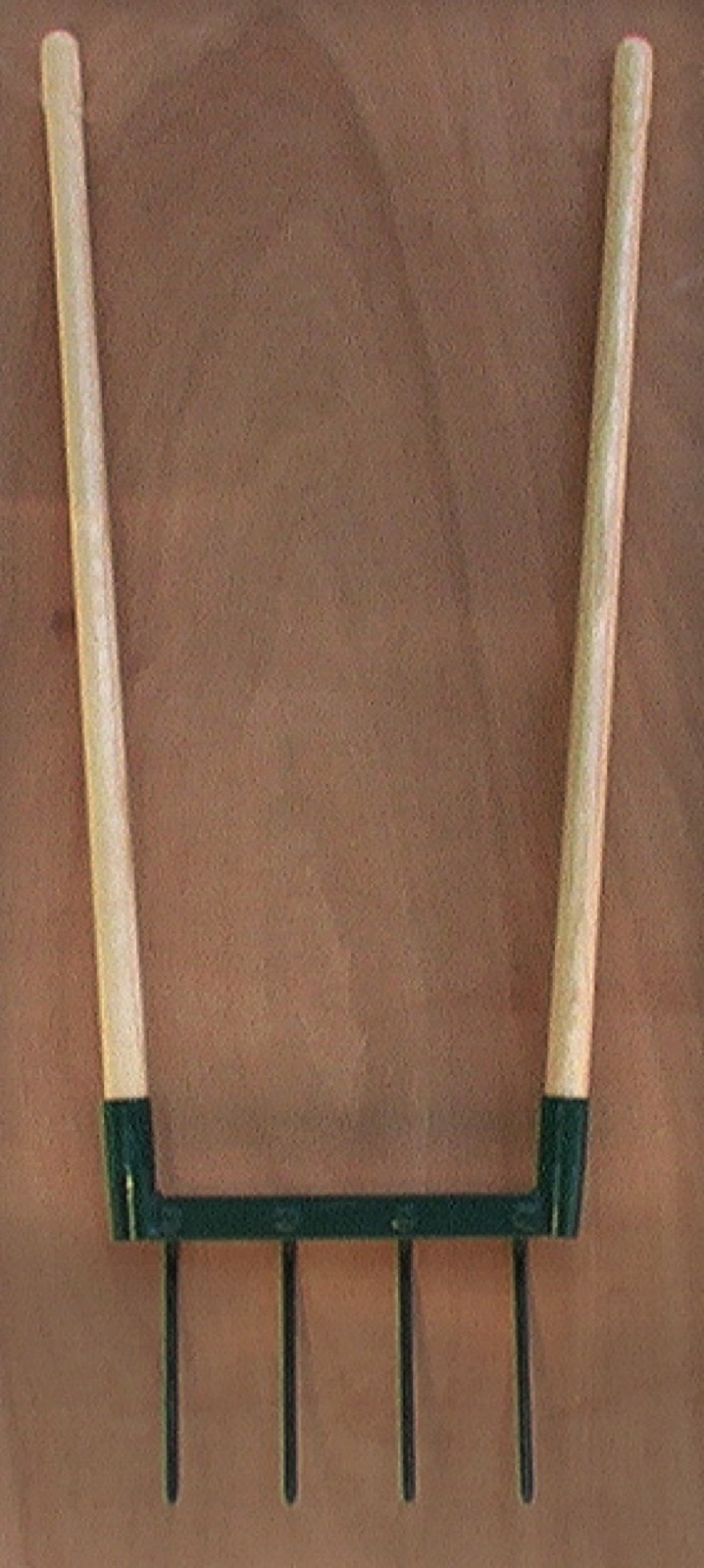
A broadfork loosens soil 12 inches deep without flipping it, so roots go down and the soil life stays intact. A tiller destroys both. Two picks for real beds.

Most plant labels fade by July. Here are the marker and pen combinations that last, and the one writing mistake that ruins every material equally.
Hand tools & watering9The few hand tools and watering gear worth owning.

Cheap garden tools bend, rust, and get replaced every couple of seasons. Here are the few hand tools worth buying once, matched to the jobs a real garden actually needs.

Drip watering keeps leaves dry and moisture steady, which stops most garden disease and blossom end rot. Three picks, from a full kit to a budget soaker hose.

A clean cut keeps plants healthy and helps them heal fast. The heirloom pair built to last, the value pruner, and small snips for harvest.

Haul soil, compost, and harvests without wrecking your back. We compare a cart, a wheelbarrow, and a folding wagon so you can match the hauler to your yard.

A 1-inch rain sheds about 600 gallons off a 1,000 sq ft roof. The right barrel, the diverter to fill it, and the soaker hose to use it.

Water is where most gardens are won or lost. A sprinkler to cover beds, a wand for pots, and a timer to automate it, plus the one watering rule that matters.
Show all 9 (3 more)

Sore knees and a bad back are the reason gardens get neglected by August. A kneeler bench and a thick pad keep you weeding without paying for it the next day.

A cheap hose kinks, splits, and waters the leaves that spread disease. A good hose and a nozzle that shuts off at the handle pay for themselves in one season.

One pair of gloves cannot do everything. Here is how to match gloves to the three jobs that actually wreck your hands, and how to size them so they fit.
Pest protection5Fencing and covers that keep critters out.

A barrier beats a spray. Row covers keep cabbage worms, squash bugs, and beetles off your plants without chemicals. The cover, the netting, and the hoops to hold them.

Deer and rabbits can clear a garden overnight. The right fence height for each, why you bury the bottom for diggers, and the posts to hang it all on.

Safe, organic sprays that actually work, matched to the pest you have. Neem for soft-bodied bugs, Bt for caterpillars, and soap for tender plants.

Organic sprays only work if you reapply them. The right sprayer for a small bed, a big garden, and the neem oil to load it with.

Birds hit strawberries and tomatoes hardest. The netting to keep them off your fruit, cheap scare tactics to try first, and hoops to hold it all up.
Kitchen & preserving15Gear to can, dry, and store the harvest.

A pressure canner is the only safe way to can low-acid vegetables, beans, and soups. Here are three we recommend, matched to garden size and budget.

A dehydrator turns a glut of tomatoes, herbs, and zucchini into shelf-stable food. Three picks, from a budget stackable to a big-harvest workhorse.

The jars, tools, and labels that turn a harvest into a full pantry. What size to buy, why lids are single-use, and the one tool that saves you from burns.

Vacuum-sealed produce keeps 2 to 3 years in the freezer with no freezer burn. Two picks, a premium workhorse and a budget value model, plus what to seal and what not to.

Freeze drying keeps food for years and saves most of the nutrients. The direct-buy leader, the family pick, and the compact entry.

Freeze drying keeps food longest and saves the most nutrients, but costs the most. Dehydrating is cheap and simple. Here is how they compare on nutrition, storage life, cost, and real savings.
Show all 15 (9 more)

A food mill removes skins and seeds so you get smooth sauce without peeling. Three picks to turn a tomato glut into jars of sauce you can store.

A steam juicer pulls clean juice from soft fruit and tomatoes with no pressing. Three picks to turn a garden glut into juice you can bottle and store.

Slicing 10 lb of cucumbers by knife takes 30 minutes. A mandoline does it in 8, with even slices that pickle at the same rate. Two picks, plus the glove.

Mylar bags plus an oxygen absorber keep rice, beans, and wheat good for 20 to 30 years. Our 3 picks, the right mil and size, and what not to store.

Oxygen absorbers pull the air out of stored grains and beans so they keep for decades. How to size them by cc, plus two picks and what not to use them on.

Food grade buckets protect Mylar-bagged rice and wheat from rodents, light, and crushing. The best 5-gallon buckets and gamma-seal lids.

Whole wheat and dent corn store for years, but you need a mill to turn them into flour and cornmeal. Three hand and electric picks, with the real trade-offs.

Airtight, pest-proof, stackable containers to keep flour, rice, and sugar fresh in your working pantry. Three honest picks and how to size them.

A water bath canner is the first canner most gardeners need. Here are three picks, plus the depth rule that decides whether the pot you already own will work.
Free tools
Point your phone at your yard and see a true-size raised bed in it.
How much compost, vermiculite, and peat your bed needs.
What a garden would save your family in grocery dollars, crop by crop.
How many plants to feed your household, fresh or put up.
Fit more in the same bed with intensive spacing.
Have a packet of seeds? See the plants, food, and space they make.
A live map of the pests hitting gardens across the US this week.
Identify any garden pest or disease and get the organic fix that works.
Power's out. What to save first, what to can, and how long you have.
How many days a '30-day' emergency kit really feeds your household.
Exactly how many cc per jar, bag, and bucket, no more guessing.
How much to grow and store to feed your family for months. All 12 preparedness tools →
Keep going
Size it, lay it out, and pick the crops.
Put up what your garden produces.
Sow dates from NOAA frost records for every US ZIP · Every number source-cited