
PlotToTable · Every guide
Guides
Every guide and how-to in one place. New to gardening? Follow the roadmap in order. Know what you need? Filter by plot, tools, or table.
New here? Follow the roadmap
Six steps from “where do I start” to a pantry full of food you grew. Read them in order, each step is a short list, not homework.
Step 1 · BeginnerPlan itFigure out what to grow, how big to go, and where to put it.
Step 2 · BeginnerBuild the bedsSet up your soil and beds once, right, whether you dig in the ground or build raised beds.
- In-Ground Garden Planning: Rows, Paths, and a Plot That FitsArticle · 4 min read
- The Best Raised Beds for Beginners (2026)Buyer's guide · 1 min read
- Raised Bed Planning: Size It Before You Build ItArticle · 2 min read
- What Soil to Use in a Raised BedArticle · 2 min read
- How to Prepare Soil for a New Garden BedArticle · 2 min read
- Soil Testing and pH: Grow the Right Plants for Your DirtArticle · 4 min read
Step 3 · BeginnerPlant itSeeds, timing, and spacing, get plants in the ground on schedule.
- When to Plant Vegetables: Frost Dates Made SimpleArticle · 1 min read
- The Best Vegetable Seeds for Beginners (2026)Buyer's guide · 1 min read
- The Best Seed-Starting Kits for Beginners (2026)Buyer's guide · 1 min read
- Why Your Seedlings Die After TransplantArticle · 1 min read
- Vegetable Garden Spacing: How Close Is Too CloseArticle · 1 min read
Step 4 · IntermediateKeep it aliveWater, mulch, and handle the first pests before they spread.
- How Often to Water a Vegetable GardenArticle · 1 min read
- Best Mulch for a Vegetable Garden and How to Use ItArticle · 2 min read
- Why Your Vegetable Leaves Are Turning YellowArticle · 3 min read
- Common Tomato Problems and How to Fix ThemArticle · 2 min read
- The Best Organic Pest Control for Vegetables (2026)Buyer's guide · 1 min read
Step 5 · AdvancedLevel upStretch the season and get more from the same beds.
Step 6 · AdvancedHarvest & put it upPick at peak flavor, then preserve the surplus for the off-season.
- Pick It at Its Peak: When Each Crop Tastes BestArticle · 4 min read
- The Best Vegetables to Can, Freeze, and Freeze-DryArticle · 4 min read
- How to Freeze Vegetables from the GardenArticle · 1 min read
- Water-Bath Canning Tomatoes: How-To & Times (2026)Article · 3 min read
- How to Store Winter Squash, Onions, and PotatoesArticle · 1 min read
Browse every guide
Plan & Grow99

Garden size for a family of 4, in square feet, not vibes. A 6-crop salad-and-sides plan runs about 100 sq ft: three 4x8 raised beds.

For a family of 4: 3 to 6 slicing plants for fresh eating, 9 paste plants for 24 quarts of sauce. Here is how to pick your exact number and skip the glut.

Work backward from jars to plants. How many tomato plants for a year of sauce, how many cucumbers for pickles, and the space each needs.

The honest answer, tier by tier. A salad garden takes 83 sq ft, real self-sufficiency takes acres. Start where the value is and size it exactly.

Fall planting is a race against frost. Here is how to find your last safe sow date from your first frost, which crops still have time, and what to do if you missed it.

Plan a vegetable garden right in your soil: pick the spot, size the plot, space the rows, and prep the ground. No lumber, no bought soil.
Show all 99 (93 more)

Plan a raised bed that fits your space and your reach. Pick the right width, length, and depth, and know how much soil to buy before you build.

Skip the 300-packet seed rack. The handful of crops that are hardest to kill, how many packets to buy, and the three seed sellers worth your money.

Healthy seedlings that wilt or bleach within days of planting out are not bad plants. It is transplant shock. How to harden off over 7 to 14 days and plant at the right time.

Good soil is the whole game. Test first, add compost second, fertilize last. The simple order that fixes most garden problems before they start.

About 1 inch a week, deep and not too often, at the soil not the leaves. The simple watering rules that prevent rot, disease, and blossom end rot.

Crowded plants get more disease and grow less. Real spacing for tomatoes, beans, squash, and more, plus the raised-bed trick that lets you plant a little tighter.

Most fruiting vegetables need 6 to 8 hours of direct sun, or they grow leaves and no food. How to measure your sun and what to grow in a shadier spot.

Plant everything at once and you get a glut, then nothing. Succession planting spreads the harvest. What to resow, how often, and when to stop for the season.

Plant tomatoes in the same spot every year and disease builds up. Crop rotation breaks the cycle. Group crops by family and move them on a 3 to 4 year plan.

Rotten bottoms, cracked skins, spotted leaves, big plants with no fruit. The five most common tomato problems, what causes each, and the fix that actually works.

Plant too early and frost kills your crop; too late and it bolts. How to use your last and first frost dates, why soil temperature matters too, and what to plant when.

Garlic is the crop almost every beginner misses. Plant cloves in fall, 2 inches deep and 6 inches apart, and harvest fat bulbs next summer. The full how-to.

The sunken brown patch on the bottom of your tomatoes is not a disease. It is uneven watering. Why it happens, how to stop it, and why eggshells will not save you.

The question no guide answers: how many tomato plants do I actually need? Rough per-person counts for common crops, plus how to get the exact number for your family.
Fall is the best-kept secret in gardening: fewer pests, no bolting, and frost-sweetened greens. What to plant, how to time it from your first frost, and how to stretch it.

Most companion planting charts are folklore. Here is what actually holds up, what to ignore, and the four basics that matter far more than any pairing chart.

Which tomato companions have real evidence, which are tradition, and the three neighbors to keep away. Plus what should never follow tomatoes.

Peppers have almost no real enemies. Here is what genuinely helps them, the one plant to keep away, and why peppers should never follow tomatoes.

Cucumber beetles are the whole game. Here are the companions with real evidence behind them, what to keep away, and why cucumbers must not follow squash.

Beans are half of the best-supported companion combo there is. What works, why onions and garlic are the real thing to avoid, and what to plant after.

Lettuce has almost no enemies. What it needs is a taller neighbor casting afternoon shade, which buys weeks before it bolts. Here is how to set that up.

Onions and beans is the one enemy pairing with a real mechanism. Here is what to plant with onions instead, and why onion ground needs a long rest.

Basil is one of the few crops with no credible enemies. Where it earns its space, what the tomato claim really means, and the one rotation rule.

Cabbage worms are the whole problem. The broccoli companions with real evidence, what to keep away, and why clubroot makes rotation mandatory.

Onions genuinely help carrots, radishes solve the slow-germination problem, and dill is the neighbor to keep away. Plus what should never follow carrots.

Kale gets cabbage worms and heavy aphid colonies. The companions that bring in the insects that eat them, plus the rotation rule that protects the bed.

Potatoes have more real enemies than most crops, including one that is genuinely allelopathic. Here is the list, what works instead, and the rotation rule.

Never plant strawberries where tomatoes or potatoes grew. That rule matters more than any companion chart. Here is why, plus what to plant with them.

Sweet potatoes are not related to potatoes and follow different rules. The vines cover 4 feet of ground, so companion choices are mostly about timing.

Stubby, shriveled zucchini is a pollination problem, not a watering one. Here are the companions that fix it, plus the squash bug trap crop that works.

The #1 beginner mistake is starting too big. Here is how to plant a small, simple first garden that actually makes it to harvest.

Tomatoes are the top home crop, but frost, uneven water, and weak support sink beginners. Here is the simple path from transplant to ripe fruit.

New to gardening? Start with crops that are hard to kill and fast to reward. Here are the easiest vegetables to grow, plus what to skip your first year.

No yard or bad soil is no reason not to grow. A patio or balcony can grow real food in pots if you get the pot size and watering right.

Potatoes are cheap to start and store for months. Here is how to plant them in a row or a bag, hill them, and harvest a healthy crop.

Cucumbers grow fast and crop heavy, but cold soil rots the seed and dry spells turn fruit bitter. Five steps to a steady harvest.

Peppers love heat and punish rushing. Set them out too early and they sulk. Here is how to space, water, feed, and harvest bell peppers right.

The most common raised-bed mistake is filling it with bagged topsoil or native dirt that packs hard. Here is a simple mix that drains well and feeds plants.

Compost is free soil food from kitchen scraps and yard waste. Get the mix right and you get rich, dark compost in months. Here is the simple method.

Tomatoes on the ground rot and catch disease. Support keeps fruit clean, airflow high, and picking easy. How to cage, stake, or trellis the right way.

A 2 to 3 inch layer of mulch cuts watering, smothers weeds, and steadies soil. The best mulches for vegetables, what to avoid, and how to apply it right.

Zucchini is easy and heavy. One plant can hand a family 8 pounds of fruit. Here is how to sow, space, and pick before it buries you.

Lettuce is a fast cool-season crop, but a big spring sowing all bolts at once. Sow small every 10 days for weeks of salad instead.

Carrots fork on rocks and rot from fresh manure. Sow them direct in loose soil, keep the seedbed damp, and thin to 2 inches for straight roots.

Green beans are an easy first crop. Bush beans crop fast and all at once, pole beans crop longer up a trellis. Here is how to pick and grow both.

Strawberries are a perennial that pays off in year 2. Here is how to pick a type, space the plants, and keep birds off the ripe fruit.

Onions are cheap to plant and store for months, but the wrong type for your latitude gives small bulbs. Here is the day-length rule and the steps.

Broccoli is a cool-season crop that bolts in heat. Here is how to time it for spring and fall, beat cabbage worms, and keep side shoots coming.

Kale is one of the easiest crops there is. Plant it in spring or fall, pick the outer leaves, and one plant keeps giving for about 16 weeks.

Basil is a warm-season herb that turns bitter the moment it flowers. Pinch it right and one plant feeds your kitchen for about 12 weeks.

Sweet potatoes grow from slips, not seed. Give them a long warm season and one plant returns about 2.5 pounds. Here is the full path from slip to storage.

Yellow leaves have four common causes, and most gardeners guess wrong. A plain matrix to find the real reason before you feed, water, or spray.

Cracked tomatoes come from uneven water, not bad seed. Why the skin splits, the two crack types, and how steady watering and mulch stop it.

Bolting turns lettuce, spinach, and cilantro bitter overnight. Why heat and long days trigger it and five ways to slow it down for weeks more harvest.

A cover crop feeds and protects your soil over the off-season for the price of seed. Pick the right one by goal and know when to sow and turn it in.

Test your soil, read its pH, and match crops to what you have. A beginner guide to acidity, soil texture, and the free jar test, for in-ground gardens.

Exact raised bed heights, ergonomic tools, and layouts for gardening without kneeling. Built for bad backs, arthritis, wheelchairs, and older adults.

Grow tomatillos, bok choy, bitter melon, callaloo, and okra in any US zone. Planting dates, short-season varieties, and trusted seed sources.

For a family of 4: about six 4x8 raised beds for fresh summer eating, and twelve to eighteen if you want to preserve a winter's worth. Here is the real math.

Plan on 1 to 2 bell pepper plants per person. Each gives about 4 lb over the season. Here is how to hit your exact number for fresh eating and freezing.

For summer eating, plan on about 2 to 3 potato plants per person. For a winter storage supply, 8 to 10 per person. Each plant yields about 3 lb.

One zucchini plant feeds a family of 4. Two is plenty. Each gives about 8 lb over the season. Here is why more is the classic beginner mistake.

Salad most nights takes about 4 to 6 lettuce plants per person, but only if you sow a few every 2 weeks instead of all at once. Here is the succession math.

Beans and peas are small per plant, so counts run high: about 10 to 15 bean plants per person to eat, more to preserve. Full numbers for bush beans, pole beans, peas, and edamame.

Peas are the first crop of spring. Sow them 4 to 6 weeks before your last frost, give them a trellis, and pick every 2 to 3 days. Here is how to grow all three types.

The best survival garden crops ranked by calories, drought resilience, and storage. Ten staples that feed you when the store shelf is empty.

The best crops for poor soil fix their own nitrogen or mine the subsoil. Grow these 8 in sand, clay, or depleted dirt with little feeding.

The best drought tolerant vegetables and grains that keep producing when water is short. Deep-rooted, heat-loving crops for a dry garden.

Nitrogen fixing plants pull free fertilizer from the air. Grow these 7 legumes to feed your soil and your table at the same time.

The best multi use survival plants earn their space twice. See 9 crops that feed people and animals, fix soil, and save seed.

How to store seeds long term for a survival garden: keep them cool, dark, dry, and sealed, plus a viability chart and a 10-seed germination test.

Cyclospora is a parasite, not a bacteria, and you cannot wash it off. Nearly every US outbreak comes from store produce. Growing your own removes the main way people catch it.

Romaine and bagged salad get recalled for E. coli almost every year. The cause is contaminated irrigation water you cannot wash off. Growing your own cuts it out.

Cantaloupe, cucumbers, and onions keep triggering Salmonella recalls, some deadly. The cause is contaminated water and surfaces up the supply chain. A garden skips it.

The Dirty Dozen list flags the produce with the most pesticide residue: strawberries, spinach, kale, and more. The clean fix is to grow them yourself and decide what they get sprayed with.

Listeria is the deadliest foodborne germ, it grows in your fridge, and pre-cut produce is its favorite ride. Whole and homegrown food skips the packaging that makes it dangerous.

Grocery prices jumped about 24 percent from 2020 to 2023. Some crops return far more than a seed packet costs. Here are the vegetables that pay you back the most.

How much do you get from one plant? A slicing tomato gives about 12 lb, a potato about 3 lb. Here is the yield per plant for common garden crops.

One square foot fits 36 carrots, 16 bush beans, 4 lettuce, or 1 tomato. Here is the formula, the full chart, and where the grid stops working.

How to plant onion bulbs: sets go pointy end up, 1 inch deep, 4 inches apart. One set makes one onion. Here is the day-length rule that decides the crop.

About 2.5 pounds per plant, which is roughly 3 to 5 storage roots. It is one dig at about 110 days, not a steady picking. Here is how to size your row.

Summer squash gives about 8 lb per plant picked over weeks. Winter squash gives about 12 lb at once. Spaghetti and acorn give about 5 squash each.

Bullseye rings on the lowest leaves means early blight. Greasy gray-green blotches spreading fast means late blight. Here is how to tell in 30 seconds.

Bt is three different products, not one. Match the strain to the pest: kurstaki for caterpillars, tenebrionis for potato beetles. It will not touch squash bugs.

Zones 3, 4, and 5 give you 90 to 130 frost-free days. How to pick fast varieties, start indoors, warm the soil, and still fill a pantry before first frost.

Rent your place? Grow a real vegetable garden with nothing screwed, dug, or left behind. Lease rules, balcony weight, wind, and what moves with you.

Which vegetables grow tall enough to shade the rest, why height depends more on variety than on crop, and where to put the tall ones so they do not cost you a row.

Tomatillos need two plants to set fruit, more room than people give them, and picking at the husk stage. Spacing, timing, and yield for a real salsa harvest.

Dry beans yield about 0.2 lb per plant, so a year of pinto or black beans takes far more row than people expect. Here is the plant count and the honest tradeoff.

Asparagus, rhubarb, artichokes, horseradish, and sunchokes take years to pay off and then produce for decades. What to plant, how much, and where to put it.

Spacing and pot size for basil, oregano, thyme, cilantro, and parsley, plus why the annual herbs and the perennial ones need completely different planning.

If you have one or two beds, calories per square foot is the only ranking that matters. Here is what to grow, what to cut, and what a single bed really provides.

What a tomato plant should look like at each stage from transplant to harvest, roughly 73 days, and which lags are normal versus a real problem.
Gear45

A pressure canner is the only safe way to can low-acid vegetables, beans, and soups. Here are three we recommend, matched to garden size and budget.

Cheap garden tools bend, rust, and get replaced every couple of seasons. Here are the few hand tools worth buying once, matched to the jobs a real garden actually needs.

A dehydrator turns a glut of tomatoes, herbs, and zucchini into shelf-stable food. Three picks, from a budget stackable to a big-harvest workhorse.

A raised bed is the fastest way to a first garden that works. Three picks, from a metal bed that lasts 10 years to a grow bag that fits a patio.

Drip watering keeps leaves dry and moisture steady, which stops most garden disease and blossom end rot. Three picks, from a full kit to a budget soaker hose.

Starting seeds indoors saves money and gives you varieties no store sells. The trays, light, heat mat, and seeds that actually grow stocky plants, not leggy ones.
Show all 45 (39 more)

The jars, tools, and labels that turn a harvest into a full pantry. What size to buy, why lids are single-use, and the one tool that saves you from burns.

A barrier beats a spray. Row covers keep cabbage worms, squash bugs, and beetles off your plants without chemicals. The cover, the netting, and the hoops to hold them.

Bad soil pH locks up nutrients no matter how much you fertilize. The home kits that catch it fast, plus why your state extension lab is the most accurate test.

Vacuum-sealed produce keeps 2 to 3 years in the freezer with no freezer burn. Two picks, a premium workhorse and a budget value model, plus what to seal and what not to.

Growing up instead of out saves space and cuts disease. The best trellis for vining crops, the right cage for tomatoes, and budget netting for peas and beans.

Compost is free soil that fixes most garden problems. A fast tumbler, a tidy kitchen crock, and a worm bin for apartments, with the brown-to-green ratio that makes it work.

Deer and rabbits can clear a garden overnight. The right fence height for each, why you bury the bottom for diggers, and the posts to hang it all on.

A cold frame extends your season by weeks at both ends and grows greens through winter in many zones. The ready-made box, the built-to-last option, and a budget greenhouse.

Freeze drying keeps food for years and saves most of the nutrients. The direct-buy leader, the family pick, and the compact entry.

Safe, organic sprays that actually work, matched to the pest you have. Neem for soft-bodied bugs, Bt for caterpillars, and soap for tender plants.

The right feed for leafy crops vs fruiting crops, and why a soil test comes first. An all-purpose pick, a tomato feed, and a slow-release organic.

No yard? Pick the right pot for patio and balcony vegetables. Grow bags, self-watering planters, and big pots, plus the right size for each crop.

A clean cut keeps plants healthy and helps them heal fast. The heirloom pair built to last, the value pruner, and small snips for harvest.

Haul soil, compost, and harvests without wrecking your back. We compare a cart, a wheelbarrow, and a folding wagon so you can match the hauler to your yard.

Freeze drying keeps food longest and saves the most nutrients, but costs the most. Dehydrating is cheap and simple. Here is how they compare on nutrition, storage life, cost, and real savings.

A greenhouse buys you weeks of extra season at both ends of the year. Three picks, from a walk-in to a cheap cold frame anyone can start with.

A food mill removes skins and seeds so you get smooth sauce without peeling. Three picks to turn a tomato glut into jars of sauce you can store.

Organic sprays only work if you reapply them. The right sprayer for a small bed, a big garden, and the neem oil to load it with.

A 1-inch rain sheds about 600 gallons off a 1,000 sq ft roof. The right barrel, the diverter to fill it, and the soaker hose to use it.

Birds hit strawberries and tomatoes hardest. The netting to keep them off your fruit, cheap scare tactics to try first, and hoops to hold it all up.

Seedlings need light 2 to 4 inches above them for 14 to 16 hours a day or they get leggy. The lights and heat mat to start strong indoors.

A steam juicer pulls clean juice from soft fruit and tomatoes with no pressing. Three picks to turn a garden glut into juice you can bottle and store.

Stop losing seed to cold soil. Beans and cucumbers rot below 60°F, and soil runs 2-3 weeks colder than the air. Our 2 picks under $15 read the seed zone in one minute so you sow on the right day.

Shade cloth cuts heat stress, bolting, and sunscald in a hot garden. Two picks, plus the one rule: use 30 to 40 percent shade, not heavier.

Native dirt is too packed for a raised bed. The right bagged mix drains, holds water, and lets roots run. Here is what to fill a bed with.

Worms turn kitchen scraps into rich castings in a small footprint. The best worm bins for apartments, plus a crock and a tumbler if worms are not for you.

Water is where most gardens are won or lost. A sprinkler to cover beds, a wand for pots, and a timer to automate it, plus the one watering rule that matters.

Slicing 10 lb of cucumbers by knife takes 30 minutes. A mandoline does it in 8, with even slices that pickle at the same rate. Two picks, plus the glove.

Sore knees and a bad back are the reason gardens get neglected by August. A kneeler bench and a thick pad keep you weeding without paying for it the next day.

A cheap hose kinks, splits, and waters the leaves that spread disease. A good hose and a nozzle that shuts off at the handle pay for themselves in one season.
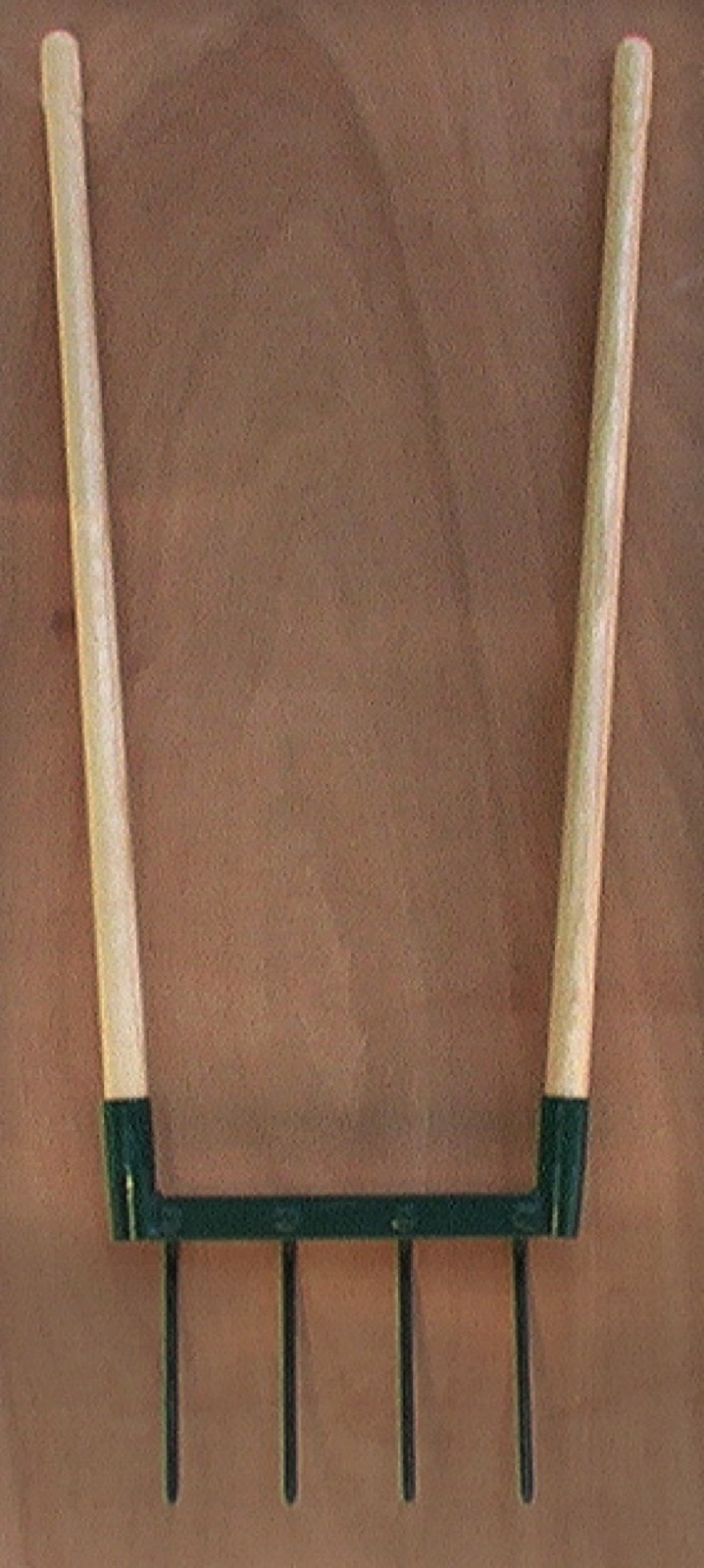
A broadfork loosens soil 12 inches deep without flipping it, so roots go down and the soil life stays intact. A tiller destroys both. Two picks for real beds.

Mylar bags plus an oxygen absorber keep rice, beans, and wheat good for 20 to 30 years. Our 3 picks, the right mil and size, and what not to store.

Oxygen absorbers pull the air out of stored grains and beans so they keep for decades. How to size them by cc, plus two picks and what not to use them on.

Food grade buckets protect Mylar-bagged rice and wheat from rodents, light, and crushing. The best 5-gallon buckets and gamma-seal lids.

Whole wheat and dent corn store for years, but you need a mill to turn them into flour and cornmeal. Three hand and electric picks, with the real trade-offs.

Airtight, pest-proof, stackable containers to keep flour, rice, and sugar fresh in your working pantry. Three honest picks and how to size them.

A water bath canner is the first canner most gardeners need. Here are three picks, plus the depth rule that decides whether the pot you already own will work.

Most plant labels fade by July. Here are the marker and pen combinations that last, and the one writing mistake that ruins every material equally.

One pair of gloves cannot do everything. Here is how to match gloves to the three jobs that actually wreck your hands, and how to size them so they fit.
Eat & Preserve69

A daily 8-ounce glass of juice takes about 7 pounds of produce a week. Here is exactly how many carrots, cucumbers, and kale plants that is.

One peak-July week, a 100 sq ft garden hands you about 20 pounds of produce. Here are 7 real dinners it turns into, and what each one uses.

One tomato plant hands you 1.5 pounds a week for 8 weeks. Here is the fast, by-crop playbook for cooking down a summer glut before it rots.

Seed packets give a days-to-maturity number, but flavor peaks on a look-and-feel test. Start checking a radish at day 28, a tomato at day 73.

Can your tomato harvest safely in a water-bath canner: the acid step, exact processing times, an altitude chart, and how to fix floating or unsealed jars.

One zucchini plant can bury a family. How many to grow, how to pick to slow the flood, and the safe ways to preserve the surplus.
Show all 69 (63 more)

No canning needed. Cure them right and these crops keep for months in a closet or basement. The temperatures, the mistakes to avoid, and how long each lasts.

The best fermenting crock for vegetables and fruits: a water-seal stoneware crock for big sauerkraut batches and a mason jar kit for beginners. No canner, no heat, plus the 1 rule that keeps every batch safe.

Freezing is the easiest way to save a harvest. Why you blanch first, how to freeze so pieces stay loose, what freezes well, and how long it keeps.
Keep onions, potatoes, and squash for months with the right bins and cool storage. The all-around pick, the serious cellar setup, and a small-space rack.

Drying is the easiest way to save a herb glut. When to pick, four ways to dry (air, dehydrator, oven, microwave), which herbs to freeze instead, and how to store them.

Six ways to save a garden glut, compared: canning, freezing, drying, fermenting, pickling, and cool storage. Which method fits each crop, how long it keeps, and where to start.

The easiest way to put up cucumbers: a quick brine, a jar, and the fridge. No canner, no processing, crisp pickles ready in 24 hours.

Turn a tomato glut into jars of sauce for winter: the cook-down, the acid step that keeps it safe, exact processing times with an altitude chart, and a fix for watery sauce.

Cured right, onions and garlic keep for months with no fridge and no freezer. The harvest sign, the 2 to 3 week cure, and how to store them.

Not every crop is worth saving, and each one has a best method. A crop-by-crop guide to what to can, freeze, dry, freeze-dry, or just store in a cool room.

Turn a glut of tomatoes and peppers into salsa. Eat it fresh this week, or can it safely with added acid for about 6 pints on the shelf.

Sweet, tangy bread-and-butter pickles from your cucumber glut. A short salt soak, a spiced vinegar brine, and a water-bath process for about 6 pints.

Classic garlic-dill pickles that stay crisp. A vinegar brine, fresh dill and garlic, and a short water-bath process for about 7 pints on the shelf.

Crisp, garlicky pickled green beans with a kick. A vinegar brine, fresh dill and garlic, and a short water-bath process for about 6 pints.

Sweet-and-spicy pepper jelly from your garden peppers. Vinegar, sugar, and pectin set a shelf-stable jar, canned safely for about 6 half-pints.

Turn a summer zucchini flood into sweet-tart relish. Follows the tested water-bath process and yields about 6 half-pints for hot dogs, burgers, and tuna salad.

Sweet-and-sour pickled beets, canned the safe way. Follows the NCHFP tested water-bath process and yields about 6 pints from your garden beet harvest.

Thick, sweet-savory tomato jam for cheese boards and burgers. A fridge-and-freezer jam that yields about 4 half-pints from a tomato glut.

Tangy tomatillo salsa verde, canned safely for the pantry. Follows the NCHFP tested water-bath process with the acid step that keeps it shelf-stable, yielding about 5 pints.

Crisp, spicy pickled okra with no slime. Follows the NCHFP tested vinegar-brine water-bath process and yields about 6 pints from your okra harvest.

Put up a bright, tangy sweet corn relish with peppers and onion. Follows the NCHFP tested water-bath process and yields about 6 half-pints for the pantry.

Tangy pickled carrot rounds from a garden glut. Follows the NCHFP tested vinegar ratio and water-bath process, and yields about 4 pints.

Turn a garden cabbage into tangy sauerkraut with just salt and time. A simple fridge ferment that needs no canner and no starter.

Turn a glut of hot peppers into deep, tangy fermented hot sauce. A simple salt brine ferment, blended and bottled, ready in 1 to 2 weeks.

Turn a berry glut into bright, spreadable jam. A water-bath process for blackberries, raspberries, or strawberries that yields about 6 half-pints.

Turn a basil glut into classic pesto in 15 minutes, then freeze the extra in cubes so you eat summer basil in January.

Roast a sheet pan of garden tomatoes into deep, rich sauce with almost no work, then freeze it flat for winter pasta nights.

Roast fresh-pulled carrots with honey and butter into a sweet, caramelized side in under 40 minutes. Four ingredients, one pan.

Fresh-picked green beans, sauteed with garlic and a little bite, done in one pan in 15 minutes. The fast way to eat a bean pick.

The two-minute massage trick that turns tough garden kale into a tender, crave-worthy salad that holds up for days.

Cook garden sweet corn three easy ways, then freeze the extra ears so you eat your own corn in January. Boil, grill, and skillet, plus a freezer step.

A smooth, simple butternut squash soup from your winter squash harvest. One pot, a handful of ingredients, and a freezer step so you can save the extra.

A 10-minute cucumber salad that turns a garden glut into a cool, tangy side. Fresh slicing cucumbers, vinegar, and a simple salt step for extra crunch.

Turn a bag of garden onions into deep, sweet caramelized onions, then freeze them in batches so a spoonful is always ready for burgers, soup, and eggs.

Crispy on the outside, fluffy inside. This smashed potato recipe turns freshly dug garden potatoes into the best side on the table with one simple two-step method.

Garden bell peppers baked with a savory beef and rice filling. A simple weeknight main that uses up four big peppers at once.

Golden, crispy zucchini fritters that clear a summer squash glut fast. The one trick is squeezing the water out first.

Sweet roasted garden beets over greens with goat cheese and a simple vinaigrette. A no-fuss salad that turns four beets into dinner.

A rustic French stew of eggplant, zucchini, peppers, and tomatoes. The best way to cook down a whole summer garden in one pot.

A fast garlic saute for chard, kale, and other garden greens. Ten minutes turns a big bowl of leaves into one tender side.

No food mill? You can still make smooth tomato sauce. Peel the tomatoes first, then simmer and blend, or push it through a sieve. Here are three ways with what you own.

The foods worth storing win on three things: calories per dollar, shelf life, and nutrition. Here are the proven staples and how long each really keeps.

High calorie survival foods, ranked. An adult needs about 2,000 calories a day. Store the densest foods first: oil, peanut butter, rice, and beans.

High protein survival foods ranked, cheapest and most storable first. Beans, peanut butter, canned meat, powdered milk, and more for a long emergency.

Freeze drying keeps about 97% of nutrients and stores 25 years. Here is what freeze dries best, what turns rancid, and the honest gear to buy.

The four home food storage methods compared on shelf life, cost, nutrition, and effort: freeze-drying, canning, dehydrating, and Mylar for dry staples.

A bookmark-worthy shelf life chart for pantry staples, plus the honest split between best quality and still safe to eat.

Build a 3 month food supply the simple way: store what you eat, eat what you store. A per-person target, a starter shopping list, and a 4-step plan.

The serious long-term plan: how much grain, beans, fat, and salt to store per adult for a year, how to pack it to last, and why you still need a garden.

A full freezer holds safe for about 48 hours if you keep the door shut. The FSIS 40-degree rule, what you can refreeze, dry ice math, and the triage order.

The cc sizing chart for Mylar bags and buckets: about 300cc per gallon for dense foods, 500cc for airy ones, 2000 to 2500cc for a 5-gallon bucket. Plus the two foods to never use them with.

Emergency buckets are labeled in servings, but your family eats calories. The 60-second math that turns any bucket label into real days of food, no brand-bashing required.

A Medium freeze-dryer holds 7 to 10 lb of fresh food per 24-to-40-hour batch. The batch math for a year of storage, what consumables cost, and when to size up.

Appetite fatigue is when people quit eating the same rations day after day. Kids and seniors are hit first. Here is the variety math and spice shelf that fixes it.

Wheat, beans, and rice carry almost no vitamin C, and scurvy sets in after 1 to 3 months without it. Here is the vitamin C math and the storable foods that cover the gap.

Kids do not eat like adults. A toddler needs about 1,000 calories a day and a teen can need over 3,000. Here are the real per-age numbers from the Dietary Guidelines.

Water is the first thing you run out of. How much to store per person, safe food-grade containers, rotation, and how to purify water in an emergency.

A stockpile you never rotate is money in the trash. Learn FIFO food storage rotation: date every item, shelve oldest in front, cook from the front.

How much food to store per person: about 2,000 calories a day per adult, plus the classic one-year bulk-staple pounds. Real targets for 3 days to 1 year.

Store what you eat and eat what you store. Build a beginner prepper pantry from foods your family already cooks, so nothing goes to waste.

Rice and beans are useless without salt, oil, and yeast. Here are the glue staples most preppers forget and how long each really keeps.

The 1 gallon per person per day rule only covers drinking. Real math for cooking and hygiene, plus how much a family of 4 needs for 3 days, 2 weeks, and a month.

Most food supplies plan for healthy adults only. Here is how to stock for babies, elderly, special diets, and pets, the people and animals who cannot wait.
Sow dates from NOAA frost records for every US ZIP · Every number source-cited